Best Gas Credit Card (July 2026): Madeen Effective-Rate Picks
Best gas credit card in August 2026? Madeen ranks 995+ cards by effective rate — 5% vs 3% earn, Costco and EV caps, business fleet picks, and no-bank-login wallet math.
Madeen compares public issuer terms with its card-rule catalog. Issuer pages control rewards, fees, benefits, exclusions, and eligibility; Madeen does not issue cards, make approval decisions, or provide financial advice.
What are the best gas credit cards right now?
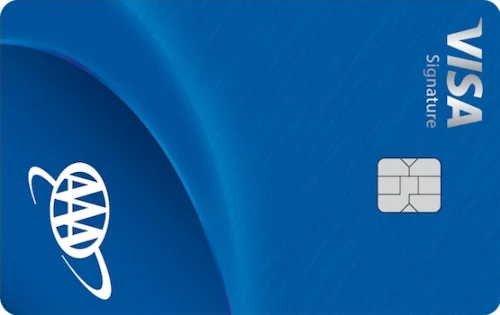
AAA Travel Advantage Visa Signature Card
Best high-rate gas and EV charging cash back
- Rewards
- 5% cash back on gas and electric vehicle-charging stations, with a calendar-year cash back cap on the 5% category.
- Annual fee
- $0
Pros
- Strong 5% gas and EV charging rate.
- No annual fee and no foreign transaction fees under current terms.
- Also earns 3% cash back on restaurants, travel, grocery stores, and AAA purchases.
Cons
- The 5% category has a $350 cash back cap per calendar year, then purchases earn 1%.
- Rewards depend on merchant category coding.
- AAA terms can vary by card program, so verify the current disclosure before applying.
Issuer terms are authoritative. Card links may point to issuer pages or approved partners when available.
- Rewards
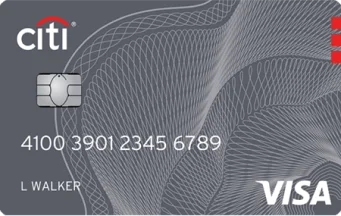
- 4% cash back on eligible gas and EV charging for the first $7,000 per year, then 1%.
- Annual fee
- $0 with a paid Costco membership
Pros
- Strong gas and EV charging rate with a clear annual cap.
- Useful if Costco is already part of your shopping routine.
- Also earns at restaurants, eligible travel, Costco, and Costco.com.
Cons
- Requires an active paid Costco membership.
- Rewards are issued as an annual certificate rather than simple monthly cash back.
- The higher gas rate is capped each year.
Issuer terms are authoritative. Card links may point to issuer pages or approved partners when available.
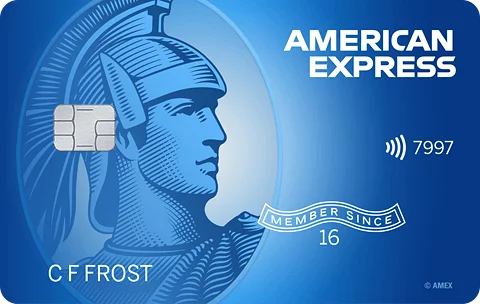
Blue Cash Everyday Card from American Express
Best no-annual-fee gas card for simple Amex cash back
- Rewards
- 3% cash back at U.S. gas stations on up to $6,000 per calendar year in purchases, then 1%.
- Annual fee
- $0
Pros
- No annual fee.
- Straightforward gas cash back for U.S. gas stations.
- Also covers everyday U.S. supermarket and U.S. online retail categories.
Cons
- Lower gas rate than some capped 4% and 5% cards.
- Gas rewards are capped each calendar year.
- Issuer category terms decide whether a purchase qualifies.
Issuer terms are authoritative. Card links may point to issuer pages or approved partners when available.
Gas is one of the easiest credit card categories to optimize because it is recurring, visible, and often supported by many cards. It is also easy to overrate a headline percentage if the card has a cap, membership requirement, or merchant exclusion.
The short version: the best credit card for Gas is the one that earns the highest net return at the station you actually use, after caps, warehouse-club rules, EV charging terms, redemption friction, and membership costs. Start with cards that earn 3% or more on Gas, then check whether your regular station qualifies. For full effective-rate tables on any card below, see the Madeen card finder, the gas category rules reference (508 cards at 3%+ in the Madeen catalog), or the dedicated AAA Travel Advantage analysis. For head-to-head pump math, browse gas-related compare pages such as Citi Custom Cash vs Blue Cash Everyday.
Which Gas credit card is best? {#which-Gas-credit-card-is-best-answer-lead}
The best Gas credit card is the one in your wallet with the highest net return at your regular station after caps, warehouse-club rules, EV charging coverage, and merchant coding. Headline percentages mislead when a 5% card has hit its annual cap, when Costco fuel needs a membership card, or when your station codes as a superstore instead of a Gas station. Madeen’s catalog shows 995 cards with at least one Gas rule — the winner is always wallet-specific. For month-stamped examples, see the August 2026 gas spoke.
What is the best Gas credit card to use? {#best-Gas-credit-card-answer-lead}
Use the Gas card with the highest net reward after caps, annual fees, memberships, EV charging rules, and station coding. A 5% card is usually excellent for eligible fuel purchases, but a simple uncapped 3% card can be better once a cap is exhausted or if your preferred station does not qualify. Before you compare multipliers, read the credit card category caps reference for how annual and quarterly limits change effective earn. For a no-bank-login checkout pick across categories, see credit card optimizer without bank login.
Madeen’s current in-app fallback catalog includes 995 cards with at least one Gas reward rule and 999 Gas reward rules overall. For how cash-back percentages translate at the pump before you compare multipliers, read how credit card cash back works. Gas is the deepest category in the Madeen Card Rules Index: 508 Gas-earning cards reach at least 3x or 3%, 228 reach at least 4x, and 23 reach at least 5x.
That depth is useful, but it also creates noise. The right Gas card is rarely the highest advertised number in isolation. It is the card that works at your Gas station, in your wallet, with your redemption habits.
How should you compare Gas credit cards?
Compare Gas cards in this order:
- Eligible station: Confirm your regular station codes as Gas, fuel, or EV charging under the issuer’s rules.
- Reward rate: Compare the estimated cash value of the rate, not just the multiplier.
- Cap: Check monthly, quarterly, or annual limits before assuming the high rate applies all year.
- Membership cost: Costco, Sam’s Club, and some credit union cards can be great, but only if the membership or eligibility already makes sense.
- Redemption friction: Annual certificates, points, and statement credits are not equally convenient.
Madeen’s Gas data also shows why a wallet-specific answer matters. The catalog has hundreds of Gas cards at 3x or better, and many are local credit union or co-branded products. A universal ranking cannot know which of those you actually carry.
What is the best company credit card for Gas? {#best-company-Gas-card-answer-lead}
The best company Gas card is the business product that matches your fleet size, reporting needs, and station mix — not the highest consumer pump percentage. U.S. Bank Business Altitude Connect and similar issuer business cards advertise elevated Gas and EV charging rates with employee-card controls, but annual fees and merchant coding still decide net return. If you only fuel a personal vehicle, a consumer Gas card with 3–5% at U.S. Gas stations often beats opening a business line solely for pump spend. Verify current issuer terms before you apply; Madeen does not provide business-card underwriting or approval odds.
What credit card is good for Gas? {#what-credit-card-is-good-for-Gas-answer-lead}
A good Gas credit card earns at least 3% at U.S. Gas stations you actually use, with a cap you can still clear and no annual fee unless the math justifies it. Blue Cash Everyday earns 3% at U.S. Gas stations on up to $6,000 per calendar year with no annual fee. AAA Travel Advantage can earn 5% on eligible Gas and EV charging up to its annual cap when you qualify. Verify merchant coding and issuer terms before every fill-up — warehouse-club fuel and EV charging are not universal.
Which credit card is best for fuel? {#which-credit-card-is-best-for-fuel-answer-lead}
The best fuel card is the one in your wallet with the highest net return at your regular station after caps, warehouse-club rules, EV charging coverage, and merchant coding. Headline percentages mislead when a 5% card has hit its annual cap, when Costco fuel needs a membership card, or when your station codes as a superstore instead of a Gas station. Madeen’s catalog shows 995 cards with at least one Gas rule — the winner is always wallet-specific. For month-stamped picks, see the August 2026 gas spoke.
What’s the best fuel card to get? {#best-fuel-card-to-get-answer-lead}
The best fuel card to get is the one that beats what you already carry at your regular station after caps, fees, and merchant coding — not the highest advertised percentage. AAA Travel Advantage can earn 5% on eligible Gas and EV charging up to its annual cap with no annual fee when you qualify. Blue Cash Everyday earns 3% at U.S. Gas stations on up to $6,000 per calendar year with no annual fee. Costco Anywhere Visa earns 4% on eligible Gas and EV charging for the first $7,000 per year but requires a paid Costco membership. Apply only when the extra earn clears any fee, membership, or cap versus cards already in your wallet.
What card gives 5% Cash Back on Gas? {#what-card-gives-5-percent-Gas-answer-lead}
Several U.S. cards advertise 5% on Gas when the purchase qualifies — but caps and merchant coding decide whether every fill-up earns the headline rate. Citi Custom Cash can pay 5% on your top eligible category each billing cycle (up to $500 spent) when Gas outpaces dining, groceries, and travel that month. AAA Travel Advantage earns 5% on eligible Gas and EV charging up to its annual cap with no annual fee when you qualify. Always confirm the station codes as fuel, warehouse-club pumps are excluded on many general cards, and switch to a 3% fallback once a 5% cap is exhausted.
Is there a credit card just for Gas? {#Gas-only-credit-card-answer-lead}
Yes — many issuers offer Gas-focused or Gas-bonus cards, from no-fee 3% options to capped 5% warehouse or AAA products. A Gas-only card makes sense when pump spend clears any annual fee and category cap versus the card you already carry; otherwise use your strongest general Gas bonus and skip a dedicated application. Station co-brands (Shell, Exxon, Chevron) can beat a general card only when you refuel exclusively at that brand and issuer terms count the purchase as eligible fuel — see Madeen’s Shell and Chevron merchant guides for wallet-specific picks.
Are 5% Gas rewards always better than 3% Gas rewards?
No. A 5% Gas card is better than a 3% Gas card only while the purchase qualifies and the higher rate still applies.
For example, the AAA Travel Advantage card advertises 5% Cash Back on Gas and EV charging, but AAA’s terms say the 5% category has a maximum of $350 Cash Back in a calendar year, then earns 1% thereafter. The Costco Anywhere Visa earns 4% on eligible Gas and EV charging for the first $7,000 per year, then 1%.
Those are still strong offers. The point is that caps turn “best” into a usage question. If you drive heavily, share one card across a household, or use a card for both Gas and EV charging, the cap matters.
For the catalog-level view, see the credit card category caps reference, which separates capped rules by category and cap period.
Do Costco, Sam’s Club, and warehouse Gas stations count?
Sometimes, but you should not assume every Gas card treats warehouse-club fuel the same way.
The Costco Anywhere Visa is built for Costco members and explicitly rewards eligible Gas and EV charging, including Costco and other eligible Gas purchases under current Citi terms. Other issuers may exclude warehouse clubs, superstores, or merchants that do not use the expected Gas station code.
If most of your fuel spending happens at Costco or Sam’s Club, a store-affiliated card may beat a general Gas card. If you split across several stations, a general card with broad Gas-station language may be simpler. For Costco-only fuel math, read which credit card to use for Costco gas. For broader warehouse-club shopping, compare which credit card to use at warehouse clubs.
Does EV charging earn Gas rewards?
Only when the card terms include EV charging or the issuer’s merchant-code rules treat the purchase as eligible.
This matters more each year because some older Gas rewards were written around Gas stations and automated fuel dispensers. Newer terms, including the AAA Travel Advantage and Costco Anywhere Visa terms, explicitly mention EV charging. The Blue Cash Everyday Card focuses on U.S. Gas stations, so EV charging should not be assumed unless the issuer terms for the transaction support it.
If public charging is a meaningful part of your routine, read the dedicated guide to which credit card to use for EV charging before treating a Gas card as your EV default.
Which credit card is best at major Gas station chains? {#best-card-at-Gas-stations-answer-lead}
The best card at Shell, Chevron, Exxon, Speedway, or Wawa is still the one in your wallet with the highest net Gas rate after caps and merchant coding — not a station-branded co-brand unless you already carry it. Madeen’s merchant pages rank catalog cards by effective rate at each chain: see best card at Shell, Chevron, Exxon, Speedway, and Wawa fuel. Station co-brands can beat a general 3% card only when you refuel exclusively at that brand and the issuer terms count the purchase as eligible fuel.
For head-to-head card math on pump spend, compare Chase Freedom Flex vs Discover it Cash Back when quarterly Gas categories are active, or Citi Custom Cash vs Blue Cash Everyday when Gas is your top billing-cycle category.
How should you choose your Gas card at the pump?
Use this checklist:
- If one of your cards earns 5% or 4% at your exact station and you are under the cap, use it.
- If your best card is capped and you have already hit the cap, switch to a strong 3% card.
- If you buy fuel at Costco, Sam’s Club, or another club, verify whether your general Gas card includes that merchant.
- If you charge an EV, prioritize cards that explicitly include EV charging.
- If the difference is small, choose the card with the simpler redemption.
If none of your cards earns a reliable Gas bonus at your station, use your strongest fallback card. The everyday purchases guide explains when a flat-rate card beats chasing a narrow category.
Madeen applies that same logic at the category level. You select the cards you already carry, choose Gas, and Madeen compares the reward rules locally without asking for bank login, card numbers, or transaction history. If you want the privacy background, read why Madeen does not ask for your bank login.
Before you apply for a station-branded card, read are gas credit cards worth it for fee-and-cap math. Readers comparing editorial card picks with wallet apps should also see NerdWallet alternatives and Credit Karma alternatives (August 2026 publisher-cluster refresh) before they chase a new Gas card from a comparison site alone. Warehouse-club shoppers splitting Costco fuel and in-club groceries should also read which credit card for warehouse clubs before assuming one card wins every register. This hub targets the best Gas credit card citation cluster (ChatGPT cited this URL in W30 prefetch while Google still reports crawled-not-indexed) alongside the August 2026 gas spoke — use both when Search Console shows impressions but no clicks yet on pump-intent queries. When pump and supermarket spend split across cards, pair this hub with the refreshed best credit card for groceries guide and best credit card for dining for road-trip checkout consistency. Optimizer readers comparing wallet apps at the pump should see CardPointers alternatives, Madeen vs CardPointers (refreshed August 2026), and credit card optimizer without bank login for scoped no-login category picks. Travel-card shoppers weighing premium annual fees should read Capital One Venture vs Venture X before upgrading a wallet used mostly for fuel. Stack pump spend with card-linked offers when your issuer runs fuel or convenience-store credits — activation still happens in your bank account, not through Madeen. When caps change which card wins mid-year, pair this hub with how credit card reward caps work and compare cash back, points, and miles. Road-trip fuel stops often pair with other category decisions in the same weekend — compare which credit card for groceries, insurance premium rewards, and rental car coverage when travel bills stack on top of pump spend. For a no-bank-login checkout pick across categories, see credit card optimizer without bank login.
Stack fuel savings with shopping portal vs card rewards when you buy online, and use compare cash back, points, and miles plus how to value credit card points to pick a redemption style before you chase a Gas bonus. For a wallet-wide checklist, see how to maximize credit card rewards. If you refuel while traveling outside the United States, read how foreign transaction fees work before using a card that still charges 3% abroad.
If you are opening a new Gas card for a higher multiplier, read does applying for a credit card hurt your credit score and how many credit cards should you have so the wallet change stays deliberate.
What should you do next?
Look at your two most common fuel or EV charging locations and check the cards already in your wallet. If a high-rate card works there and you are below its cap, use it. If not, a broad no-annual-fee 3% card may be the better everyday default.
Before applying for a new Gas card, review the issuer’s current terms and consider whether any membership cost, annual redemption certificate, or category cap fits how you actually refuel. For month-stamped picks, see the August 2026 gas spoke. Recurring fuel and streaming autopay often split across cards — see which credit card for subscriptions when you optimize more than pump spend. If you are weighing Amex cards for Gas-station spend, read what credit score for Amex Gold before you apply.
Related encyclopedia topics
Frequently asked questions
Which gas credit card is best?
The best gas credit card is the one in your wallet with the highest net return at your regular station after caps, warehouse-club rules, EV charging coverage, and merchant coding — not the highest advertised percentage alone. AAA Travel Advantage can earn 5% on eligible gas and EV charging up to its annual cap; Blue Cash Everyday earns 3% at U.S. gas stations up to $6,000 per year with no annual fee. Verify issuer terms and coding before every fill-up.
What is the best credit card to use for gas?
The best gas credit card is the one in your wallet with the highest net return at your regular station after caps, annual fees, warehouse-club rules, EV charging coverage, and merchant category coding — not the highest advertised percentage alone.
What credit card is good for gas?
A good gas credit card earns at least 3% at U.S. gas stations you actually use, with a cap you can still clear and no annual fee unless the math justifies it. Strong no-fee options include Blue Cash Everyday at 3% up to $6,000 per year and AAA Travel Advantage at 5% on eligible gas and EV charging up to its annual cap — verify issuer terms and merchant coding before every fill-up.
Are warehouse-club gas stations always included in gas rewards?
No. Some cards include eligible warehouse-club fuel purchases, while others exclude certain clubs or depend on the merchant code assigned to the station.
Do credit cards treat EV charging like gas?
Some newer card terms explicitly include EV charging, but not all gas cards do. Check the issuer terms before assuming an EV charging station earns a gas bonus.
Is a 5% gas card always better than a 3% gas card?
Not always. A 5% gas card can lose value if you hit its cap, cannot use the redemption easily, pay a fee or membership cost only for the card, or buy fuel at excluded merchants.
Can Madeen choose a gas card without bank login?
Yes. You select the cards you carry, then Madeen compares their gas reward rules locally and shows the strongest option for that category.
What is the best gas credit card without linking a bank account?
The best gas card is still the one in your wallet with the highest net return at your regular station after caps and merchant coding. Madeen compares owned-card gas rules locally without bank login so you can pick at checkout; pair the evergreen gas hub with the July 2026 gas spoke for month-stamped examples.
What gas stations are eligible for Costco credit card gas rewards?
Citi says the Costco Anywhere Visa earns its higher gas rate on eligible gas and EV charging, including Costco and other eligible gas purchases, up to the annual cap. Always verify the current Citi and Costco terms because exclusions and merchant coding can affect eligibility.
Is a Costco-only gas card better than a general gas card?
A Costco-focused gas strategy can beat a general gas card when most of your fuel happens at Costco and you already carry the membership. For a Costco-only comparison, read the dedicated Costco gas guide and verify whether your general gas card even includes warehouse-club fuel.
What card gives 5% cash back on gas?
Several U.S. cards advertise 5% on gas when the purchase qualifies — including Citi Custom Cash when gas is your top eligible category that billing cycle (up to $500 spent), and the AAA Travel Advantage Visa on eligible gas and EV charging up to its annual cap. Always confirm merchant coding, caps, and issuer terms before assuming every fill-up earns 5%.
Is it worth getting a credit card just for gas?
A gas-only card can be worth it when you drive enough that the extra earn beats any annual fee, membership cost, or cap — and when the card works at your regular stations. If you already earn strong gas rewards on a general card, a dedicated gas card may add complexity without much extra return.
Which card gives 3% on gas?
Blue Cash Everyday from American Express earns 3% at U.S. gas stations on up to $6,000 per calendar year under current terms. Bank of America Customized Cash Rewards can also earn 3% when you choose gas as your quarterly category. A flat 3% card is often the better everyday default once a 5% card hits its cap.
Which is the best credit card for fuel?
The best fuel card is the one in your wallet with the highest net return at your regular station after caps, warehouse-club rules, EV charging coverage, and merchant coding. A 5% gas card beats a 3% card only while the purchase qualifies and the higher rate still applies under issuer terms.
What is the best gas credit card with no annual fee?
Blue Cash Everyday from American Express earns 3% at U.S. gas stations on up to $6,000 per calendar year with no annual fee under current terms. AAA Travel Advantage can earn 5% on eligible gas and EV charging up to its annual cap with no annual fee when you qualify. Compare both against cards you already carry before applying.
Which credit card is best for fuel?
The best fuel card is the one in your wallet with the highest net return at your regular station after caps, warehouse-club rules, EV charging coverage, and merchant coding — not the highest advertised percentage alone. A capped 5% card beats a 3% card only while the purchase still qualifies under issuer terms.
Can I get a credit card just for gas?
Yes — many issuers offer gas-focused or gas-bonus cards, from no-fee 3% options to capped 5% warehouse or AAA products. A gas-only card makes sense when pump spend clears any annual fee and category cap versus the card you already carry; otherwise use your strongest general gas bonus and skip a dedicated application.
What is the best company credit card for gas?
The best company gas card depends on fleet size and whether you need employee cards or a single business line. U.S. Bank Business Altitude Connect and similar business products advertise elevated gas and EV charging rates with business reporting — verify current issuer terms, annual fees, and whether your stations code as fuel. For personal pump spend, consumer gas cards often beat a business card unless you need expense controls or higher fleet caps.
What's the best fuel card to get?
The best fuel card is the one in your wallet with the highest net return at your regular station after caps, warehouse-club rules, EV charging coverage, and merchant coding. AAA Travel Advantage can earn 5% on eligible gas and EV charging up to its annual cap; Blue Cash Everyday earns 3% at U.S. gas stations up to $6,000 per year with no annual fee. Verify issuer terms before every fill-up.
Sources and notes
- Madeen analysis Madeen card catalog and reward-rule analysis - Madeen Accessed 2026-07-10.
- Regulator Consumer Price Index – U.S. city average, gasoline (all types) - U.S. Bureau of Labor Statistics Accessed 2026-05-22.
- Issuer terms AAA Visa Signature Credit Cards - AAA Accessed 2026-04-30.
- Issuer terms Costco Anywhere Visa Card by Citi - Citi Accessed 2026-04-30.
- Issuer terms The Benefits of Using a Costco Anywhere Visa Card by Citi for Gas Purchases - Citi Accessed 2026-04-30.
- Issuer terms Blue Cash Everyday Card from American Express - American Express Accessed 2026-04-30.