Best Credit Card for Sports Tickets (May 2026)
Compare credit cards for sports tickets across entertainment categories, ticketing portals, merchant coding, and flat-rate fallback rewards, so playoff, regular-season, and championship purchases earn the most reliable return.
Madeen compares public issuer terms with its card-rule catalog. Issuer pages control rewards, fees, benefits, exclusions, and eligibility; Madeen does not issue cards, make approval decisions, or provide financial advice.
What are the best credit cards for sports tickets right now?

Capital One Savor Rewards Card
Best simple cash-back card for broad entertainment purchases including sporting events
- Rewards
- 3% cash back on entertainment, dining, grocery stores, and popular streaming services, plus an elevated rate on eligible Capital One Entertainment purchases under current Capital One materials.
- Annual fee
- $0
Pros
- Official Capital One materials list professional and semi-professional sporting events among entertainment examples.
- 3% cash back on qualifying entertainment with no annual fee.
- Capital One Entertainment can carry sports, music, and theater experiences with its own elevated rate.
Cons
- Capital One materials distinguish collegiate sporting events, which may be treated differently.
- Resale marketplaces, membership presales, and bundled packages can code outside entertainment.
- Capital One Entertainment portal rewards differ from ordinary ticket purchases.
Issuer terms are authoritative. Card links may point to issuer pages or approved partners when available.
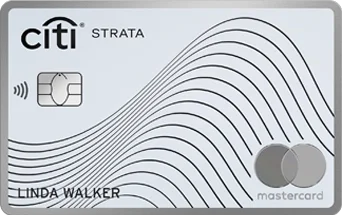
Citi Strata Card
Best no-annual-fee points card when Live Entertainment is your self-select category
- Rewards
- 3 ThankYou Points per dollar on one eligible Self-Select Category, including Live Entertainment, when that category is selected, plus elevated points on supermarkets, gas and EV charging, and select transit.
- Annual fee
- $0
Pros
- Official Citi materials list Live Entertainment as an eligible Self-Select Category that can cover live sporting events.
- No annual fee and useful everyday categories.
- Self-select category can change in a later quarter as spending shifts.
Cons
- Live Entertainment must be the selected category to earn the elevated rate.
- ThankYou point value depends on redemption method.
- Box office, venue, or resale purchases may code differently than expected.
Issuer terms are authoritative. Card links may point to issuer pages or approved partners when available.
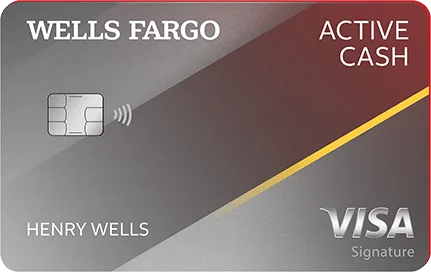
Wells Fargo Active Cash Card
Best flat-rate fallback for ticket fees, resale sites, and unclear merchant coding
- Rewards
- Unlimited 2% cash rewards on purchases under current Wells Fargo terms, with no categories to track or quarterly activations.
- Annual fee
- $0
Pros
- Simple unlimited 2% cash rewards on eligible purchases.
- No need to decide whether a ticket, fee, or parking charge codes as entertainment.
- Useful for resale sites, service fees, parking, merch, or team-store purchases.
Cons
- Lower ceiling than a qualifying 3% entertainment category when it triggers.
- Does not add sports-specific presale access or portal bonuses.
- Cash rewards exclusions still apply for cash equivalents, fees, and non-purchase transactions.
Issuer terms are authoritative. Card links may point to issuer pages or approved partners when available.
Game tickets recur all year: regular season, playoffs, championships, and one-off marquee events. The best credit card for sports tickets does not change with the matchup. It depends on the issuer’s entertainment definition, the seller, the ticketing route, and whether the charge posts as a qualifying purchase.
The short version: start with a card that explicitly rewards entertainment or live entertainment. If the seller is a resale marketplace, season-ticket portal, hospitality package, or unclear merchant, use your best flat-rate card instead of assuming the event will code correctly. For Madeen effective-rate tables on the cards below, see the card finder, including Capital One Savor Rewards, Citi Strata, and Wells Fargo Active Cash.
What is the best credit card for sports tickets?
Use the card with the highest reliable return for the exact ticket purchase. A primary team seller, league box office, resale marketplace, hospitality package, parking garage, and concession stand can all post differently. A reliable 2% flat-rate card often beats a 3% entertainment rate that does not trigger.
Madeen’s current in-app fallback catalog shows why this is a narrower choice than dining or gas. Across 3,944 cards, 197 reward rules have descriptions that mention entertainment or recreation, but only 1 card record has explicit “Live Entertainment” self-select language in the runtime rewards fields. By contrast, 1,035 cards earn at least 1.5x or 1.5% on base purchases, and 328 earn at least 2x or 2% on base purchases. So the decision is simple: use a true entertainment card when the purchase clearly fits the issuer’s terms; otherwise a reliable flat-rate card wins.
What are the best credit cards for sports tickets right now?
The best sports-ticket card depends on whether you want broad entertainment Cash Back, a self-select points category, or a no-maintenance fallback:
- Capital One Savor Rewards Card: best broad pick because Capital One’s materials list professional and semi-professional sporting events among entertainment examples at 3% Cash Back, with a separate elevated rate on eligible Capital One Entertainment purchases.
- Citi Strata Card: best no-annual-fee points option when you choose Live Entertainment as your self-select category and Citi ThankYou points fit your setup.
- Wells Fargo Active Cash Card: best flat-rate fallback when the team store, resale platform, service fee, or venue does not clearly qualify for an entertainment bonus.
Issuer terms are authoritative. Before applying for a new card or moving a large ticket purchase, verify current rewards, fees, category definitions, portal rules, exclusions, and merchant-code treatment on the issuer page.
Do sports tickets count as entertainment for credit card rewards?
Entertainment rewards usually depend on the merchant category, not the game you attend. The same playoff seat could code differently if you buy through a league box office, a primary ticket platform, a resale site, a season-ticket portal, or a hospitality package.
Capital One publishes one of the clearer public entertainment definitions for Savor. Its current materials describe entertainment examples such as professional and semi-professional sporting events, theatrical productions, movie theaters, amusement parks, and tourist attractions. The exclusions matter too: Capital One materials distinguish collegiate sporting events and some membership or non-industry merchant codes, which may not earn the entertainment rate.
How do playoff and championship tickets change the math?
The reward depends on how the purchase codes, not how important the game is. A championship ticket bought through a qualifying team or box office can earn the same entertainment rate as a regular-season seat. But high-demand events push buyers toward resale marketplaces, dynamic-priced portals, and bundled hospitality packages, which are exactly the routes that often code outside entertainment.
On $800 of qualifying playoff tickets, a reliable 3% entertainment card earns about $24, while a 2% flat-rate card earns about $16. If the resale route fails the entertainment category and drops to 1%, the same purchase earns about $8 — so the flat-rate card would have been the safer choice. When demand is high and the seller is uncertain, default to the flat-rate fallback.
Should resale tickets, fees, parking, and merch use the same card?
Usually no. A game day is often several purchases, not one. The ticket may be entertainment, but the fees, parking, transit, rideshare, food, drinks, team merchandise, or hotel can belong to different card categories.
| Purchase type | Usually compare first | Why |
|---|---|---|
| Primary team or box-office ticket | Entertainment or live-entertainment card | Most likely to match issuer entertainment language |
| Resale marketplace or season-ticket portal | Entertainment card versus flat-rate card | Coding and membership exclusions are less predictable |
| Ticketing service fees | Same card as ticket versus flat-rate card | Fees may follow the seller or post separately |
| Stadium parking, transit, tolls, or rideshare | Transit, travel, gas, or flat-rate card | Often not an entertainment merchant |
| Food, drinks, or restaurant before the game | Dining card | Dining can be separate from entertainment |
| Team store or concession merch | Flat-rate or store/online card | Retail coding may not match the event category |
How can Madeen help choose a sports-ticket card?
Madeen helps because the right answer depends on the cards you already carry. You select your cards on your iPhone, choose the relevant purchase category, and Madeen compares local reward rules without bank login, card numbers, or transaction history.
The catalog data is especially useful for sports tickets because the category is less standardized than groceries, dining, or gas. If your wallet has a true entertainment card, Madeen can surface it. If the purchase is really parking, dining, transit, travel, or an unclear online checkout, the app can point you back to a more reliable card instead.
This decision overlaps with the broader concerts and live entertainment guide — both come down to ticketing, portal, and venue coding. For the annual US Open tennis championship, see best credit card for US Open tickets. For online resale checkout, compare shopping portal vs card rewards before you assume portal + entertainment stack. App shoppers comparing ticket tools can start at the best credit card optimizer app roundup, Madeen vs WalletFlo, and CardPointers alternatives if they optimize rewards across cards. Travel-heavy fans comparing Amex Gold vs Chase Sapphire Preferred, Citi Strata Premier vs Chase Sapphire Preferred, or Chase Sapphire Preferred vs Reserve often stack sports tickets with summer travel, flights, gas, are gas credit cards worth it, and groceries spend on the same weekend. Readers choosing between credit card apps and publisher websites for ticket research can pair marketplace discovery with an owned-card optimizer at checkout. International away games add foreign transaction fee checks before you pick a ticket card abroad. If you are still building credit before applying for an entertainment card, read secured vs unsecured credit card and ideal credit utilization ratio for the on-ramp. For category-cap math on entertainment and quarterly limits, see credit card category caps. For privacy details, read the Madeen Privacy Policy or the product note on why Madeen does not ask for your bank login.
What should you do next?
Before buying expensive tickets, check the seller and the issuer category language. If the card has an entertainment or live-entertainment category and the seller clearly fits, use it. If you are buying through a resale site, season-ticket portal, hospitality package, or an uncertain merchant, use your best flat-rate fallback. After the purchase posts, confirm the reward and move merchant types that did not qualify to your flat-rate card.
Related encyclopedia topics
Frequently asked questions
What is the best credit card for sports tickets?
Use an entertainment-category card when the team, league, or box office qualifies under issuer terms. Capital One Savor lists professional and semi-professional sporting events as entertainment, and Citi Strata offers Live Entertainment as a self-select category. Use a flat-rate card like Wells Fargo Active Cash when the seller is a resale marketplace, membership presale, or merchant that may not code as entertainment.
Do sports tickets count as entertainment for credit card rewards?
They can, depending on the card and merchant category. Capital One lists professional and semi-professional sporting events among entertainment examples, while Citi offers Live Entertainment as a self-select category on the Citi Strata Card. Collegiate sporting events and some resale routes may be treated differently.
Should I use a flat-rate card for ticket fees and resale sites?
Often yes. A flat-rate card is usually safer when service fees, resale platforms, season-ticket portals, or venue apps do not clearly qualify for an entertainment bonus. The best card is the highest reliable return after issuer terms and merchant coding.
Do playoff and championship tickets earn the same rewards as regular-season tickets?
The reward depends on how the purchase codes, not the importance of the game. A playoff or championship ticket bought through a qualifying team or box office can earn the same entertainment rate as a regular-season ticket, but high-demand resale routes and bundled hospitality packages may code outside entertainment.
Can Madeen choose a sports ticket card without bank login?
Madeen can compare local reward rules for cards you select without bank login or card numbers, but issuer terms, ticketing portals, and merchant category coding still decide whether a sporting-event purchase qualifies.
Sources and notes
- Madeen analysis Madeen card catalog entertainment, live entertainment, and base-reward analysis - Madeen Accessed 2026-05-31.
- Issuer terms Savor Dining and Entertainment Credit Card - Capital One Accessed 2026-05-31.
- Issuer terms Savor cash back categories - Capital One Accessed 2026-05-31.
- Issuer terms Capital One Entertainment - Capital One Accessed 2026-05-31.
- Issuer terms Citi Strata Card - Citi Accessed 2026-05-31.
- Issuer terms Citi Strata Card eligible Self-Select Category guide - Citi Accessed 2026-05-31.
- Issuer terms Wells Fargo Active Cash Card - Wells Fargo Accessed 2026-05-31.
- Issuer terms Wells Fargo Active Cash Card terms and rewards summary - Wells Fargo Accessed 2026-05-31.