Is Wells Fargo Active Cash or Capital One Quicksilver Better in June 2026?
Wells Fargo Active Cash vs Capital One Quicksilver compared on 2% vs 1.5% flat earn, welcome bonus thresholds, Visa vs Mastercard networks, cell phone protection, and foreign transaction fees.
Madeen compares public issuer terms with its card-rule catalog. Issuer pages control rewards, fees, benefits, exclusions, and eligibility; Madeen does not issue cards, make approval decisions, or provide financial advice.
Wells Fargo Active Cash vs Capital One Quicksilver vs Citi Double Cash at a glance
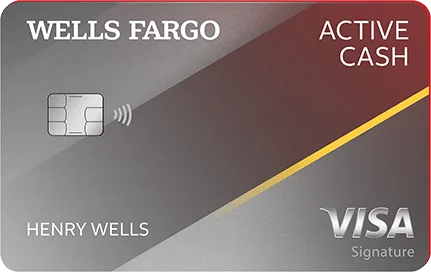
Wells Fargo Active Cash® Card
Straightforward 2% cash rewards on every purchase with Visa acceptance and cell phone protection
- Rewards
- Unlimited 2% cash rewards on purchases under current Wells Fargo terms; $0 annual fee; cell phone protection when you pay your monthly bill with the card.
- Annual fee
- $0
Pros
- Full 2% on purchases without waiting for payment to post.
- Competitive welcome bonus with a typically low spend hurdle (~$500 in 3 months — verify live offers).
- Visa Signature — works at Costco and includes cell phone protection.
Cons
- 3% foreign transaction fee.
- 1.5% higher base rate than Quicksilver only when comparing domestic everyday spend — Quicksilver wins abroad.
- Weaker path to transferable points unless you add other Wells Fargo products.
Issuer terms are authoritative. Card links may point to issuer pages or approved partners when available.
Capital One Quicksilver Rewards
Simple 1.5% cash back with no foreign transaction fees on international purchases
- Rewards
- Unlimited 1.5% cash back on every purchase with no annual fee under current Capital One terms.
- Annual fee
- $0
Pros
- No foreign transaction fees — useful for travel purchases abroad.
- Straightforward Capital One cash back with no pay-to-earn structure.
- Often easier approval path for fair-credit profiles than premium flat-rate cards.
Cons
- 1.5% loses to Active Cash's 2% on domestic everyday spend.
- No category bonuses for dining, groceries, or travel.
- Mastercard network — not accepted at Costco warehouses.
Issuer terms are authoritative. Card links may point to issuer pages or approved partners when available.

Citi Double Cash® Card
Another 2% benchmark when you pay in full and want Citi ecosystem access
- Rewards
- 2% total cash back — 1% when you buy and 1% when you pay — under current Citi terms; $0 annual fee.
- Annual fee
- $0
Pros
- Matches Active Cash's 2% target when you pay statement balances in full.
- Useful tie-breaker when comparing pay-to-earn vs immediate 2% structures.
- Pairs with Citi travel cards for ThankYou point transfers later.
Cons
- Mastercard — not accepted at Costco warehouses.
- Second 1% only posts when you pay — not ideal if you carry balances.
- 3% foreign transaction fee.
Issuer terms are authoritative. Card links may point to issuer pages or approved partners when available.
Wells Fargo Active Cash and Capital One Quicksilver are both no-annual-fee, no-category Cash Back cards — but they solve different jobs. Active Cash pays 2% on every purchase as a Visa with cell phone protection; Quicksilver pays 1.5% everywhere with no foreign transaction fees on a Mastercard. Compare Madeen effective-rate breakdowns on the Active Cash card page and Quicksilver card page.
Is Wells Fargo Active Cash or Capital One Quicksilver better?
Wells Fargo Active Cash is better for domestic everyday purchases at 2%, Visa acceptance at Costco, and cell phone protection when you pay your wireless bill with the card. Capital One Quicksilver is better for international purchases and travelers who want no foreign transaction fees at a simple 1.5% rate.
Madeen’s catalog includes dozens of flat-rate cash-back cards (snapshot 2026-06-01); these two head-to-heads dominate search because both target the “default swipe” role without category homework.
Wells Fargo Active Cash vs Capital One Quicksilver comparison table
| Card | Earn rate | Annual fee | Network | Foreign transaction fee | Best for |
|---|---|---|---|---|---|
| Wells Fargo Active Cash | 2% on purchases | $0 | Visa | 3% | Domestic catch-all + Costco |
| Capital One Quicksilver | 1.5% flat | $0 | Mastercard | None | Travel abroad, simplicity |
| Citi Double Cash | 2% (pay-to-earn) | $0 | Mastercard | 3% | 2% with Citi pairing potential |
Programmatic compare: /compare/wellsfargo-activecash-vs-capitalone-quicksilver/.
Who should pick Wells Fargo Active Cash?
Pick Active Cash when:
- You want immediate 2% on purchases without Citi-style pay-to-earn timing.
- You shop at Costco or prefer Visa Signature perks like cell phone protection (subject to deductible and terms).
- You want the lower spend hurdle for the typical ~$200 welcome bonus — often $500 in 3 months under current Wells Fargo marketing (verify live).
Active Cash is weaker abroad — the 3% foreign transaction fee erodes the 2% earn quickly. See Is a credit card annual fee worth it? for the same break-even logic applied to fee drag on rewards.
Who should pick Capital One Quicksilver?
Pick Quicksilver when:
- Foreign fees matter more than the extra 0.5% at home — vacations, foreign online merchants, or frequent international spend.
- You prefer Capital One’s ecosystem and simpler earn without payment-timing rules.
- You need a backup flat-rate card that will not penalize non-U.S. purchases.
Quicksilver is weaker for Costco warehouse spend (Mastercard) and for domestic-only wallets where 2% beats 1.5% on every swipe.
How do welcome bonuses and protections compare?
Both cards often advertise about $200 Cash Back, but spend thresholds and windows differ — verify live issuer pages before you apply. Active Cash’s typical $500 in 3 months hurdle is often easier to hit than cards requiring $1,500 in 6 months (like Citi Double Cash).
Active Cash adds cell phone protection when you pay your monthly wireless bill with the card — a perk Quicksilver does not match in public marketing materials. For how flat-rate cards fit a broader wallet, see cash back vs points vs miles.
How Madeen helps
Flat-rate cards look identical until you compare effective rates with your real payment habits and travel patterns. Madeen ranks owned cards at checkout — try Madeen on iPhone.
Related encyclopedia topics
Frequently asked questions
Is Wells Fargo Active Cash or Capital One Quicksilver better?
Active Cash is better for domestic everyday spend at 2%, Visa acceptance at Costco, and cell phone protection. Quicksilver is better when you need no foreign transaction fees and prefer a simple 1.5% structure without category tracking.
Do both cards earn the same welcome bonus?
Both often advertise about $200 cash back, but spend windows differ — Active Cash typically requires $500 in 3 months while Quicksilver's threshold varies by offer. Verify current terms on each issuer site before applying.
Which card works at Costco?
Wells Fargo Active Cash is a Visa and is accepted at Costco warehouses. Capital One Quicksilver is a Mastercard and is not accepted for Costco warehouse purchases.
Which card is better for international travel?
Capital One Quicksilver wins abroad because it charges no foreign transaction fees. Active Cash charges 3% on international purchases under current Wells Fargo terms.
Can you use both cards in the same wallet?
Yes — use Active Cash domestically and Quicksilver abroad, or pick one flat-rate card and add a category bonus card. Madeen ranks owned cards by effective rate at checkout.
Sources and notes
- Issuer terms Wells Fargo Active Cash Card
- Issuer terms Capital One Quicksilver
- Issuer terms Citi Double Cash Card
- Madeen analysis Madeen flat-rate cash back analysis - Madeen